Eating Disorders Awareness Week
The Hidden Link Between Eating Disorders and Dissociation

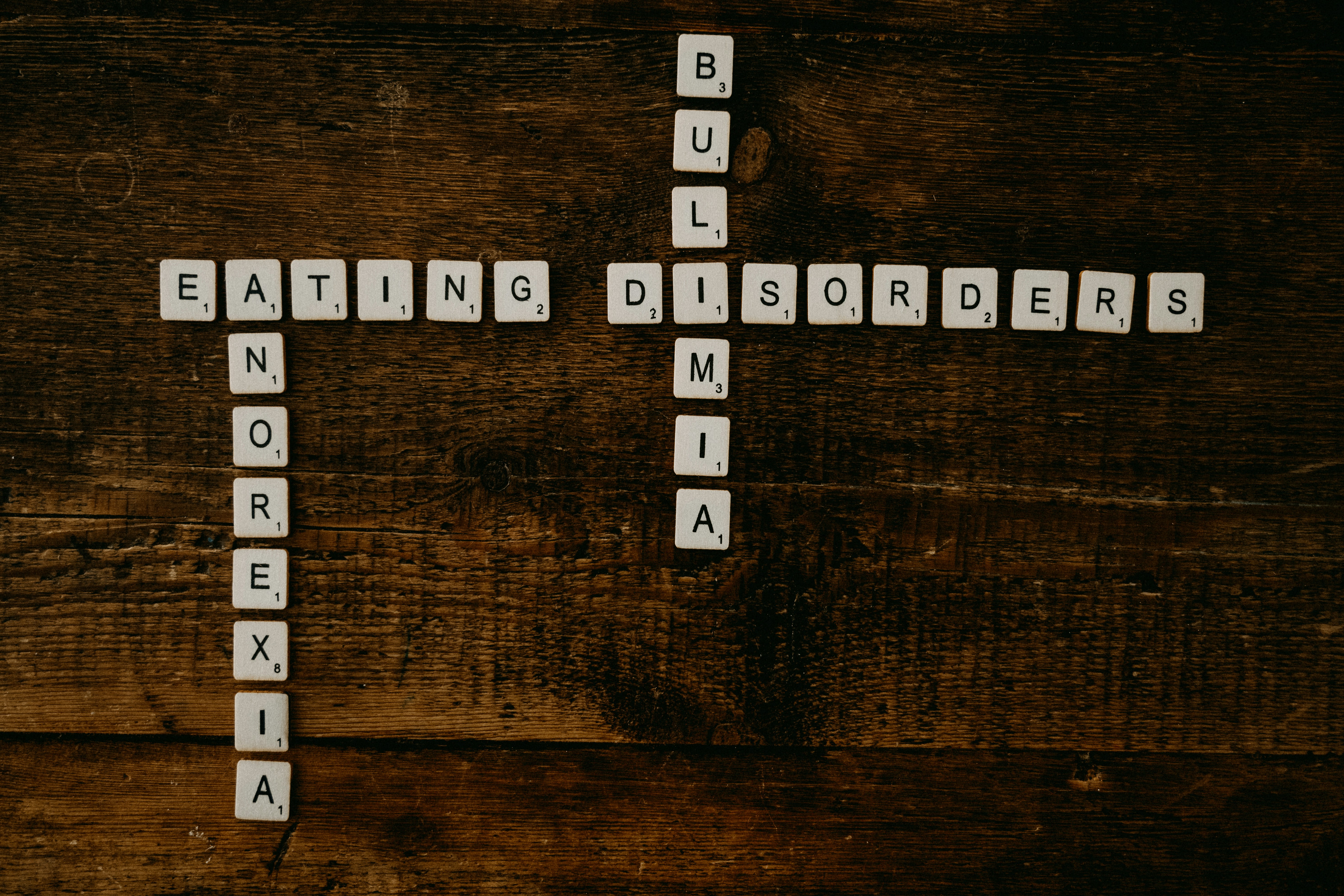
The Hidden Link Between Eating Disorders and Dissociation
Eating disorders are serious mental health conditions. They are not about vanity, willpower or attention. They are often about coping, especially coping with stress, trauma and overwhelming emotion.
During Eating Disorders Awareness Week, it is important to talk about something less discussed: the connection between eating disorders and dissociation.
Eating disorders involve distress around food, eating, body image, and control. They affect people of all genders, ages, and backgrounds.
Here is a brief explanation of common types:
Eating disorders are not lifestyle choices. They are complex psychological and physiological responses.
Dissociation is a protective response of the nervous system. It can feel like:
Research consistently shows higher levels of dissociation in people with eating disorders compared to the general population.
Studies have found particularly strong links between dissociation and bulimia nervosa as well as binge eating disorder. Dissociation may increase just before or during binge episodes. Researchers describe this as state based dissociation, meaning the detachment rises during moments of high emotional distress.
This can help explain why some people say: “It felt automatic.” “I do not fully remember it.” “It did not feel like me.”
Research also suggests connections between anorexia nervosa and detachment from bodily signals. Some individuals report altered experiences of hunger, fullness, or even their physical body. Depersonalisation type symptoms can appear, where the body feels distant or unreal.
There is also research discussing compartmentalisation, where parts of experience feel separated. Someone might say, “I know I ate it, but it did not feel like me.” This pattern has been observed in trauma related eating problems.
The research does not show one eating disorder equals one type of dissociation, but meaningful patterns exist.
A common cycle may look like this:
Understanding this cycle shifts the narrative from self blame to nervous system protection.
If someone is dissociating, they may:
Addressing eating behaviours without addressing dissociation may miss an important piece of the picture. Trauma informed approaches consider both.
If eating behaviours feel out of control, secretive, medically risky, or emotionally overwhelming, professional support is important.
UK Support
USA Support
Seeking help is not weakness. It is a step towards safety.
Understanding dissociation is a powerful first step.
Ground Me is a self help app, not a diagnostic tool and does not replace professional assessment or care.