Self-Injury Awareness
Understanding the Link Between Self-Injury and Dissociation

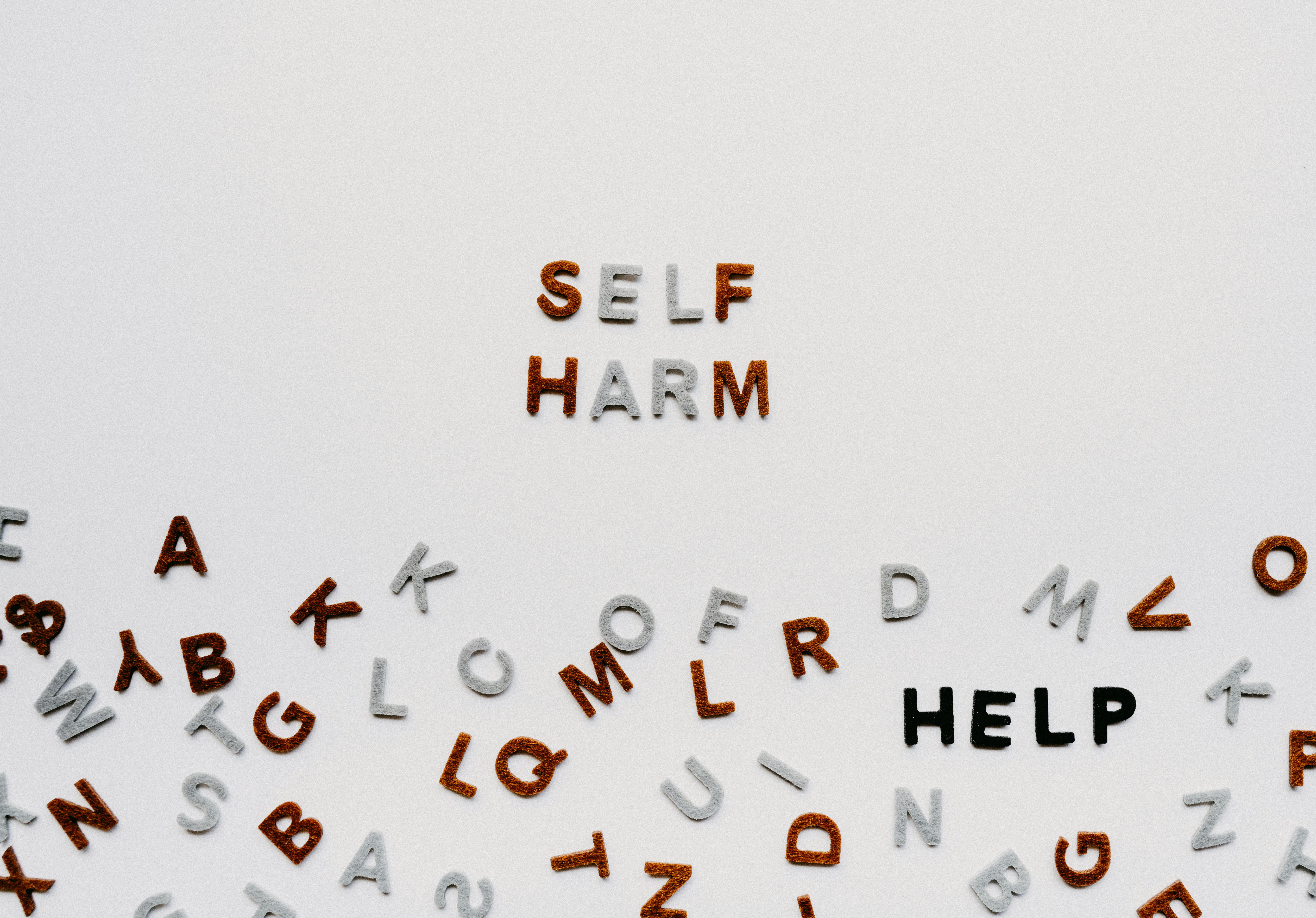
Understanding the Link Between Self-Injury and Dissociation
At the beginning of March, many organisations recognise Self-Injury Awareness Day, observed on 1 March. The aim is to increase understanding, reduce stigma, and encourage compassionate conversations around self-injury.
Self-injury is often misunderstood. People sometimes assume it is about attention or manipulation. In reality, it is usually a way of coping with overwhelming emotional experiences.
One important but often overlooked factor connected to self-injury is dissociation.
Self-injury, sometimes called non-suicidal self-injury, refers to deliberately harming one’s own body without the intention of ending one’s life.
Examples can include:
People who self-injure are often trying to manage intense emotions such as distress, anger, shame, or emotional numbness. For some individuals, self-injury becomes a way to regulate feelings that otherwise feel impossible to manage.
Dissociation is a protective response of the nervous system. It can occur when a person experiences overwhelming stress, trauma, or emotional pain.
People experiencing dissociation may feel:
While dissociation can reduce emotional pain in the short term, it can also make people feel disconnected from themselves and their surroundings.
For some people, dissociation involves a strong sense of numbness or emptiness. When someone feels emotionally or physically numb, it can be frightening. The absence of sensation may feel like losing connection to oneself. In these moments, pain can become a way to feel something again.
Some individuals report that self-injury helps them:
In other words, the behaviour may function as a way to end dissociation or return to the present moment. Understanding this does not mean self-injury is a healthy solution, but it helps explain why the behaviour can feel powerful or relieving in the moment.
If dissociation leads to urges to self-injure, finding safer ways to reconnect with the body can help. One technique sometimes suggested by clinicians is holding ice.
Holding a cube of ice in your hand can:
Other grounding strategies may include:
These approaches can provide sensory input without causing harm.
If self-injury urges happen frequently, or if dissociation feels overwhelming, professional support can help. Speaking with a mental health professional can support people in learning safer ways to manage distress and reconnect with their bodies.
UK support
USA support
If someone is in immediate danger, emergency services should be contacted.
Understanding dissociation can be a powerful step towards self-awareness.
On iPhone, download Ground Me Dissociation Aid from the App Store to learn about dissociation and check your dissociation level.
Android is coming soon. You can also sign up to our newsletter at groundme.app to stay updated.
Ground Me is a self-help app, not a diagnostic tool, and it does not replace professional care.